A wedding gown can look perfect on the hanger, then reveal a bra edge, a shapewear waistband or an unexpected seam once you move. The layer underneath changes more than coverage: it can affect where the bodice sits, how the fabric falls and whether you feel comfortable through the ceremony and reception. This wedding dress undergarments guide starts with the gown itself, because the best bridal underwear is the kind that works with its construction rather than fighting it.
Read the Dress Before Choosing Your Undergarments
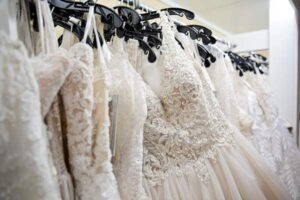
Begin by checking the neckline, back, lining and built-in support. A structured bodice with boning and cups may already provide the shape you want. A soft, unstructured slip dress may need a separate bra, while a fitted crepe gown can reveal the outline of almost anything beneath it.
Necklines and Open Backs Change the Options
A sweetheart or strapless neckline calls for support that stays below the dress edge. A deep plunge may require specially shaped cups or a bra designed for low center coverage. For a halter or one-shoulder gown, check that straps cannot peek out when you turn.
Low and open backs create another constraint. A regular bra band may show even if the cups fit perfectly. Some gowns work with low-back converters or adhesive solutions; others are better served by cups fitted into the dress by an alterations specialist.
Choosing a Wedding Dress Bra
When Built-In Cups Are Enough
Many wedding dresses contain cups, supportive seams or internal boning, but these features vary considerably. Built-in cups are not automatically a substitute for a bra, especially if you prefer substantial support. Ask your seamstress to assess whether the bodice can provide a secure fit and whether its cups sit correctly on your bust.
Adding a separate wedding dress bra can sometimes create bulk or lift the bodice away from the body. Try the dress both ways before buying anything. If additional support is needed, discuss fitted cups or structural alterations rather than assuming a thicker bra will solve the problem.
Strapless, Plunge and Adhesive Styles
A well-fitted strapless bra can suit a dress with a sufficiently high back and opaque bodice. Plunge bras may work under V-neck gowns if their cup edges remain hidden. Adhesive cups or fashion tape may be useful for certain open-back designs, but they provide varying degrees of support and can irritate sensitive skin. Test any adhesive on a small area according to its instructions before relying on it for a long event.
Is Shapewear for a Wedding Dress Necessary?
No. Shapewear is optional, not a bridal requirement. Its purpose is usually to smooth transitions between underwear and the gown, rather than to change your body dramatically. If a dress fits beautifully without compression, there is no reason to add another layer.
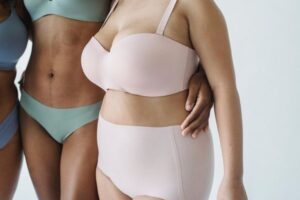
For a close-fitting sheath or mermaid dress, lightweight smoothing shorts or briefs may reduce visible lines. A bodysuit can create a continuous layer through the torso, provided its straps, neckline and back remain concealed. High-waisted pieces can work well, but their top edge may become visible beneath a smooth, fitted bodice.
Choose your actual size rather than sizing down for more compression. If shapewear rolls, pinches, restricts breathing or makes sitting uncomfortable, try a different cut or skip it. You will spend far longer in this outfit than you do posing in a fitting room.
Seamless Bridal Undergarments and Fabric Visibility
Seamless does not mean invisible under every gown. Bonded-edge briefs, smooth cups and laser-cut fabrics reduce some lines, yet hems, waistbands and color contrast can still show. Skin-tone underwear that blends with your complexion often disappears beneath pale fabric better than bright white underwear, particularly when the lining is thin.
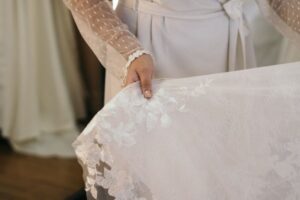
Fabric determines how carefully you need to test those details. Silk-like satin, crepe and other smooth, fluid materials can outline edges or textures. Lace overlays, fuller skirts and substantial linings may conceal more, although sheer panels require special attention. Under a transparent section, even a perfectly smooth waistband may still be visible.
Match the Foundation to the Silhouette
With a full ball gown or A-line skirt, the most important decision may be the bodice rather than the underwear below the waist. A slim sheath usually benefits from minimal seams and carefully placed edges. Fit-and-flare gowns deserve particular attention at the hips and thighs, where shaping shorts can create a visible change in texture.
Consider a practical example: you are wearing an ivory crepe dress with a low back and a fitted hip. A conventional bra might interrupt the back, while high-waisted shapewear could leave a line at the waist. You might get a cleaner result from professionally fitted bust cups and light, bonded-edge briefs than from adding more layers. The right answer emerges from trying the complete outfit, not buying the strongest shapewear available.
What to Bring to Your Wedding Dress Fitting
Bring the exact bra, bridal underwear and shapewear you intend to wear, along with your wedding shoes. Changing the underwear after alterations can change how tightly the bodice closes or where the waist sits. If you are undecided between two options, show both to the alterations professional before the final fitting.
During the appointment, sit, bend gently, walk, take a few steps up and down and practice a dance movement. Check for slipping cups, rolling waistbands and fabric pulling across the hips. Pay attention to bathroom access, too: one-piece shapewear may be inconvenient beneath a gown with complicated fastenings.
For related dress decisions, explore wedding dress neckline styles, wedding dress fabric types and a bridal alterations checklist as you plan your final fitting.
Frequently Asked Questions
Do I have to wear a bra under my wedding dress?
No. A properly fitted gown with adequate built-in support may not require one. Your comfort, bust support needs and the dress’s construction should determine the choice.
What color underwear is best under a white wedding dress?
A shade close to your skin tone is often less noticeable than white, especially beneath thin or lightly lined fabric. Test the exact shade beneath your gown in good light.
Should I wear shapewear to my bridal alterations appointment?
Yes, if you plan to wear it on your wedding day. The seamstress needs to fit the dress over the same layers you will use at the event.
What works beneath a backless wedding gown?
Depending on the design and support required, options include built-in cups, a compatible low-back solution or adhesive cups. Confirm that the solution stays secure during movement and does not show from the side.
Make the Dress Work for You
The best undergarments are not necessarily the most elaborate or expensive. Start with your gown’s structure, decide what support actually feels good and check every edge beneath the real fabric. A thoughtful fitting with the right layers gives you a smoother silhouette and, more importantly, lets you enjoy the day without adjusting your outfit every few minutes.