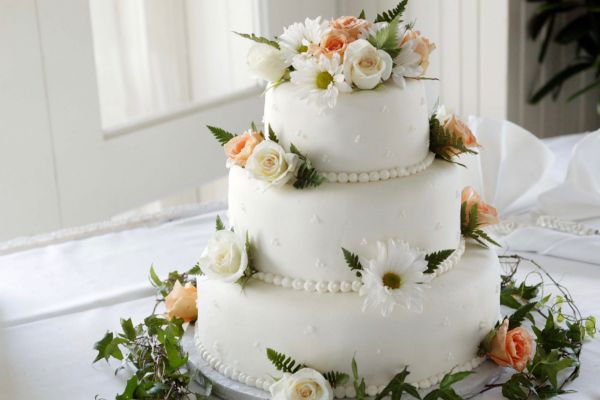
A wedding cake is more than dessert. It often stands quietly in the room before the meal is finished, becoming part of the atmosphere before it is ever sliced. Guests notice its shape, its color, the flowers around it, the stand beneath it, and the way it fits into the wider feeling of the day. When it works well, the cake does not look separate from the celebration. It feels like it belongs there.
That is why matching wedding cake with theme is such an important part of wedding styling. The cake does not need to copy every detail from the décor, the dress, or the invitations. In fact, a cake that tries too hard can sometimes feel overly designed. The best wedding cakes usually reflect the mood of the wedding in a softer way. They borrow colors, textures, flowers, patterns, or small meaningful details and turn them into something edible, elegant, and personal.
Start with the Overall Feeling of the Wedding
Before thinking about frosting, tiers, flowers, or flavors, it helps to step back and ask what the wedding is meant to feel like. Is it romantic and candlelit? Fresh and garden-inspired? Minimal and modern? Traditional, cultural, coastal, rustic, vintage, glamorous, or playful?
The cake should speak the same visual language as the rest of the celebration. A highly polished white cake with metallic details may look beautiful at a black-tie ballroom wedding, but it might feel too formal for a relaxed outdoor ceremony under trees. A naked cake with wildflowers may suit a countryside reception, but it could feel unfinished in a grand hotel setting.
Matching the cake to the theme begins with mood rather than decoration. Once the mood is clear, the design decisions become easier. The cake can be soft, bold, simple, dramatic, textured, clean, colorful, or delicate depending on what the wedding itself is trying to express.
Let the Venue Guide the Cake Design
The venue gives strong clues about what kind of cake will feel natural. A beach wedding might inspire lighter colors, shell-like textures, pearl details, citrus flavors, or soft blue and sand tones. A garden venue can make floral designs feel effortless, especially when the cake echoes the flowers used in the ceremony or table arrangements.
For a historic estate or classic ballroom, a taller tiered cake with refined details may feel appropriate. Piped borders, sugar flowers, lace-inspired patterns, or soft metallic touches can match the sense of formality. In a barn, vineyard, or outdoor farm setting, the cake may look better with buttercream texture, fresh greenery, figs, berries, dried florals, or wooden accents.
The cake should not disappear into the venue, but it should not fight against it either. When the design respects the space, everything feels more intentional. Even a very simple cake can look stunning when placed in the right setting with the right stand, lighting, and surroundings.
Use the Wedding Color Palette with Care
Color is one of the easiest ways to connect a wedding cake to the theme, but it is also one of the easiest places to overdo it. The cake does not have to include every wedding color. Sometimes one or two shades are enough to create harmony.
For a soft romantic wedding, a cake may include blush, ivory, champagne, pale peach, or muted green. A modern wedding might use crisp white with black ribbon, gold leaf, or one bold accent shade. A bohemian wedding could include earthy tones such as terracotta, rust, cream, sage, or dusty rose. A winter wedding may feel beautiful with deep burgundy, emerald, silver, navy, or frosted white textures.
The key is subtle connection. A cake with small color details can often feel more elegant than one covered in strong matching shades. Flowers, painted accents, ribbon, fruit, or delicate piping can carry the palette without overwhelming the design.
Match Texture to the Theme
Texture has a powerful effect on how a wedding cake feels. Smooth fondant creates a clean and polished look. Soft buttercream gives a more relaxed and romantic impression. Rougher buttercream textures can feel rustic or handmade. Ruffles, pleats, lace effects, sugar petals, and wafer paper can add movement and softness.
For a minimalist wedding, smooth surfaces and clean edges often work best. A single sculptural detail, such as a curved fondant fold or a subtle embossed pattern, may be enough. For a vintage-inspired wedding, lace piping, pearl details, or pressed floral textures can create a sense of old-world charm. A garden wedding may call for organic texture, uneven floral placement, or delicate botanical patterns.
Texture is especially useful when the couple wants a cake that matches the theme without becoming too colorful. A white cake can still feel rustic, modern, romantic, or formal depending on the finish. This is where small design choices make a big difference.
Bring in Florals Thoughtfully
Flowers are one of the most common ways to connect a cake to the rest of the wedding. When the cake flowers echo the bridal bouquet or centerpieces, the whole event feels more cohesive. Fresh roses, ranunculus, orchids, peonies, anemones, baby’s breath, lavender, or greenery can all create different moods.
However, floral cake design works best when it feels intentional rather than crowded. A few carefully placed blooms can be more striking than flowers covering every tier. For a romantic wedding, soft cascading flowers may feel natural. For a modern theme, one large statement flower or a clean floral cluster might be enough. For a rustic or outdoor wedding, loose greenery and seasonal blooms can create a relaxed look.
It is also important to remember that not every flower is safe for direct contact with food. Some flowers may need barriers, special preparation, or sugar-based alternatives. The visual effect matters, but so does safety and practicality.
Reflect the Dress and Fashion Details
A wedding cake can quietly borrow inspiration from the bride’s dress, veil, jewelry, or overall fashion style. This does not mean the cake should look like a dress. Instead, it can reflect certain details in a gentle way.
A lace gown might inspire delicate piping or embossed patterns. A satin dress could pair beautifully with smooth fondant and pearl accents. A dress with dramatic structure may suit a clean, architectural cake. If the wedding fashion is relaxed and bohemian, the cake might include dried flowers, soft buttercream, or hand-painted details.
Accessories can also influence the design. Pearl earrings, a beaded veil, metallic shoes, or a floral crown can all inspire small decorative touches. These subtle connections often make the cake feel personal without being obvious.
Consider the Season
Seasonal details can help the cake feel deeply connected to the wedding date. A spring cake might include soft florals, pastel tones, lemon, vanilla, elderflower, or light fruit fillings. A summer wedding cake may look beautiful with berries, citrus, tropical flowers, or fresh greenery. Autumn themes can lean into warm colors, caramel, figs, pears, dried flowers, cinnamon tones, and textured finishes. Winter cakes may feel elegant with white-on-white detailing, metallic accents, evergreen touches, dark berries, or rich chocolate flavors.
Seasonal design also affects the cake’s practicality. Outdoor summer weddings may require sturdy frosting choices and careful placement away from direct heat. Winter weddings allow for richer flavors and heavier textures. Matching wedding cake with theme becomes easier when the cake feels suited to the weather, not just the décor.
Choose Flavors That Support the Mood
While the outside of the cake gets most of the attention, flavor also plays a part in the theme. A formal evening wedding may suit classic flavors like vanilla bean, chocolate, almond, raspberry, or champagne-inspired fillings. A garden wedding might feel fresh with lemon, strawberry, lavender, or elderflower. A fall wedding could include spice cake, apple, caramel, maple, or pumpkin. A tropical or beach wedding may feel right with coconut, passion fruit, mango, or lime.
The flavor does not need to match the color palette, but it should feel appropriate to the season and setting. A heavy chocolate ganache cake can be wonderful, though it may feel less natural at a light afternoon garden reception than at a cozy winter wedding. Flavor is part of the experience guests remember, so it deserves as much attention as the decoration.
Think About Cake Shape and Size
The shape and size of the cake can also support the theme. Tall, narrow cakes often feel elegant and modern. Wide, traditional tiered cakes create a classic statement. Asymmetrical tiers can feel artistic and contemporary. A single-tier cake may suit an intimate wedding, while a multi-tiered design can bring drama to a larger reception.
The cake should also feel balanced with the room. A tiny cake in a grand ballroom may look lost unless it is styled with flowers, candles, or a dessert table. A very large cake at a small backyard wedding may feel too formal. The goal is proportion. The cake should have enough presence to feel special without feeling out of place.
Cake stands and display tables matter here too. A gold stand can make a cake feel formal. A wooden stand can soften it for a rustic setting. A clear acrylic stand may suit a modern theme. Linens, candles, flowers, and backdrop details can help the cake blend naturally into the reception design.
Keep the Design Personal but Not Overloaded
Personal details can make a wedding cake more meaningful, especially when they are handled with restraint. A couple might include a small design inspired by their culture, a favorite flower, a shared place, a family pattern, or a meaningful color. These details can make the cake feel like part of their story rather than just another pretty object.
The challenge is avoiding too many ideas at once. A cake with lace, flowers, metallic leaf, monograms, bright colors, hand painting, ruffles, and toppers may feel confused. It is usually better to choose two or three strong design elements and let them breathe.
A personal cake does not have to be loud. Sometimes the most meaningful details are quiet ones. A flower from a grandmother’s garden, a pattern inspired by the invitation, or a flavor the couple both loves can carry more emotion than a heavily decorated design.
Coordinate with the Rest of the Dessert Table
If the wedding includes a dessert table, the cake should still be the visual anchor. Smaller desserts can support the theme through color, shape, labels, trays, or flavors. Macarons, mini tarts, cookies, cupcakes, brownies, fruit desserts, or cultural sweets can all be arranged in a way that complements the cake.
The dessert table should not feel like a separate project from the wedding design. The same flowers, linens, signage style, and color palette can tie everything together. If the cake is simple, the surrounding desserts can add variety. If the cake is detailed and dramatic, the rest of the table may need to stay calmer.
This balance helps the cake shine without making the display feel empty or too busy.
Avoid Matching Too Literally
One of the most common mistakes in matching a wedding cake to a theme is taking the theme too literally. A beach wedding cake does not need to be covered in seashells. A garden wedding cake does not need flowers on every inch. A royal-inspired wedding does not need excessive gold and crowns. A rustic wedding does not require burlap wrapped around every tier.
The most elegant themed cakes usually suggest the theme rather than announce it. A beach theme can come through soft colors and pearly texture. A garden theme can appear through fresh blooms and natural movement. A vintage theme can be expressed through lace, muted tones, and classic shapes.
Subtlety gives the cake longevity. It allows the design to feel stylish in photos years later, not just trendy in the moment.
Work from Inspiration, Not Imitation
Photos are useful when planning a cake, but they should be treated as inspiration rather than strict instructions. A cake that looks perfect in one wedding may not suit another venue, season, color palette, or guest count. Instead of copying a design exactly, couples can identify what they like about it.
Maybe it is the soft buttercream texture. Maybe it is the clean shape, the floral placement, the color, the height, or the romantic feeling. Once those details are clear, the cake can be adapted to suit the actual wedding theme.
This approach usually leads to a more natural result. The cake feels inspired, not copied. It belongs to the wedding instead of looking like it was borrowed from someone else’s photo album.
Conclusion
Matching wedding cake with theme is not about making every detail identical. It is about creating harmony. The cake should reflect the feeling of the day through color, texture, shape, flowers, flavor, and presentation. When those choices work together, the cake becomes part of the wedding’s atmosphere rather than just something placed in the corner for photos.
A beautiful wedding cake does not have to be overly elaborate to feel meaningful. It simply needs to understand the mood of the celebration. Whether the theme is romantic, modern, rustic, coastal, vintage, garden-inspired, or quietly personal, the best cake is the one that feels like it could not belong anywhere else.
In the end, guests may remember the first look, the music, the meal, and the laughter more than every design detail. But when the cake fits the theme naturally, it adds to the whole experience. It becomes one more thoughtful piece of a day that feels beautifully, unmistakably connected.