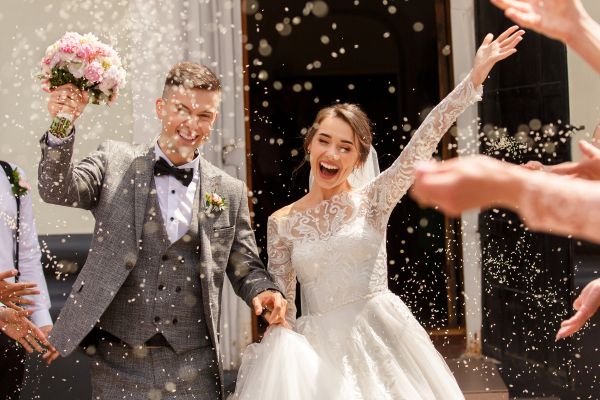
There’s something quietly magical about a wedding photo booth. Long after the music fades and the flowers wilt, those spontaneous snapshots—laughing friends, playful poses, slightly crooked props—become some of the most cherished memories from the day. And the best part? You don’t need a professional rental service to create one. A thoughtful diy wedding photo booth setup can be just as charming, often even more personal.
What makes a DIY booth special isn’t perfection. It’s the little imperfections—the slightly uneven backdrop, the handwritten signs, the props that tell a story. Done right, it becomes more than just a corner for photos; it turns into a space where guests relax, connect, and create moments you didn’t even know you needed.
Understanding the Purpose of a Photo Booth
Before diving into materials and setup, it helps to pause and think about what you actually want your photo booth to feel like. Not just how it looks, but how it works during the wedding.
Some couples imagine a lively, bustling corner where guests take turns posing throughout the night. Others prefer something more intimate—a quiet nook where close friends gather for candid shots. Your vision shapes everything, from lighting choices to backdrop style.
A good diy wedding photo booth setup isn’t just decorative. It’s interactive. It invites people in without needing instructions.
Choosing the Right Location
Location can make or break your setup, and it’s often overlooked. The best spot isn’t necessarily the most visible one—it’s the one that feels natural for guests to wander into.
Look for a space with enough room for small groups but not so much that it feels empty. A corner near the reception area works well, especially if it’s slightly tucked away from the main dance floor. Too much noise or movement can make it harder for guests to focus on photos.
Natural light is a bonus if your wedding takes place during the day. If it’s an evening event, you’ll need to rely more on artificial lighting, which can actually give you more creative control.
Creating a Backdrop That Tells a Story
The backdrop is the heart of your booth. It sets the tone instantly and often becomes the defining element in every photo.
Fabric backdrops are a popular choice because they’re easy to work with and forgiving. Soft drapes, flowing curtains, or even layered textiles can create a romantic feel. If your wedding has a theme—rustic, vintage, modern—you can reflect that here without overcomplicating things.
Some couples lean into creativity with handmade elements: paper flowers, string lights, or even a wall of photos from their relationship. Others keep it minimal, letting the people in front of the camera bring the energy.
What matters most is cohesion. Your backdrop should feel like a natural extension of your wedding, not an afterthought.
Lighting That Flatters Every Moment
Lighting is where many DIY setups fall short, but it doesn’t have to be complicated.
Soft, even lighting is your goal. Harsh overhead lights can cast unflattering shadows, while dim lighting can make photos look dull. A combination of warm string lights and a simple ring light often works beautifully. The ring light, in particular, helps create that soft glow people associate with professional photos.
If you’re setting up outdoors, consider how the light changes throughout the day. Late afternoon and early evening tend to offer the most flattering natural light, but once the sun sets, your artificial setup becomes essential.
Selecting the Right Camera Setup
Your camera doesn’t need to be high-end, but it does need to be reliable and easy for guests to use.
A DSLR or mirrorless camera on a tripod is ideal if you want crisp, high-quality images. Pair it with a remote shutter or timer so guests can take photos without assistance. If that feels too technical, a smartphone setup can work surprisingly well, especially with modern camera quality.
There’s also something charming about simplicity. Guests shouldn’t have to think too much about how the booth works. The easier it is, the more likely they are to use it.
Props That Encourage Personality
Props are where things get playful. They break the ice, especially for guests who feel a little awkward in front of the camera.
The key is not to overdo it. A small, thoughtfully curated selection works better than a crowded table of random items. Think of props that match your wedding’s tone—funny signs, vintage hats, floral crowns, or even items that reflect inside jokes between you and your friends.
Sometimes, the best moments happen when people ignore the props entirely. So don’t rely on them too heavily. They’re there to enhance, not define, the experience.
Designing a Seamless Flow
A great diy wedding photo booth setup isn’t just about how it looks—it’s about how it functions throughout the event.
Consider how guests will move through the space. There should be a natural flow: a place to pick up props, a clear spot to stand, and enough room to step away afterward without disrupting others.
If possible, assign a friend or family member to casually oversee the booth. Not in a formal way, just someone who can gently guide guests, fix minor issues, or encourage participation when things slow down.
It’s a small detail, but it keeps everything running smoothly.
Adding a Personal Touch with Prints or Digital Sharing
Decide early on how you want guests to receive their photos. Instant prints can be a wonderful keepsake, giving people something tangible to take home. On the other hand, digital sharing options—like a shared album or QR code—make it easy to collect and revisit photos later.
Some couples combine both approaches, offering prints during the event and digital access afterward. It creates a nice balance between immediacy and convenience.
Whatever you choose, keep it simple. Complicated systems can take away from the fun.
Embracing Imperfection
Here’s something that often gets overlooked: your DIY booth doesn’t need to look perfect.
In fact, a slightly imperfect setup can feel more inviting. Guests don’t expect a polished studio—they expect a fun, relaxed space where they can be themselves. A wrinkled curtain or a slightly crooked frame won’t ruin the experience. If anything, it adds character.
The beauty of a diy wedding photo booth setup lies in its authenticity. It reflects your personality, your style, and your willingness to create something meaningful without overthinking it.
Timing the Setup for a Stress-Free Experience
Set up your booth well before guests arrive. This might sound obvious, but wedding timelines can get hectic, and it’s easy to leave small details until the last minute.
Test everything in advance—the lighting, the camera, the backdrop stability. Take a few sample photos to see how it all comes together. It’s much easier to adjust things in a calm moment than during the middle of your reception.
Once it’s ready, you can forget about it and enjoy your day, knowing that guests will naturally gravitate toward it.
Creating a Space Guests Want to Return To
The most successful photo booths aren’t just used once. Guests come back to them throughout the event, each time with a slightly different mood—more relaxed, more playful, sometimes even a bit sentimental.
To encourage this, keep the space inviting. Make sure it stays tidy, well-lit, and easy to access. A few subtle changes, like rotating props or adjusting lighting as the evening progresses, can keep it feeling fresh.
Over time, it becomes less of a setup and more of a gathering point.
Conclusion
A thoughtful diy wedding photo booth setup is less about technical perfection and more about creating a space where people feel comfortable being themselves. It’s where laughter happens naturally, where friendships are captured in a single frame, and where the spirit of your wedding lives on in unexpected ways.
When you step back and look at the photos later, you won’t be thinking about the lighting setup or the backdrop details. You’ll notice the expressions, the energy, the small moments that slipped by unnoticed during the day.
And that’s really the point. A DIY photo booth isn’t just another wedding feature—it’s a quiet storyteller, capturing the kind of memories that feel real long after the celebration ends.