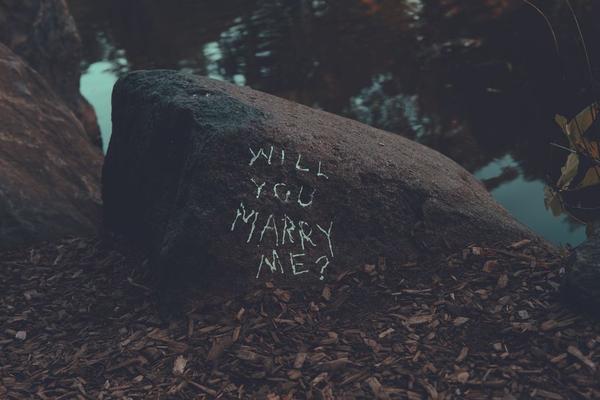
Not every proposal has to follow the same script. Down on one knee, ring box popped open, a quiet dinner table moment — it works, but it’s also exactly what most people expect. If you’re the kind of couple with a shared story, inside jokes, and a history worth walking back through, a scavenger hunt proposal turns that story into the proposal itself. Instead of one big moment, you get a string of small ones, each clue pulling your partner closer to the final surprise. It’s personal in a way a single gesture rarely is, and it’s exactly why more couples are searching for structured, clue-based formats to plan their own.
If you’re picturing a treasure hunt proposal but aren’t sure where to start, this guide walks you through the whole process — from choosing your theme to writing your final clue.
Why a Scavenger Hunt Proposal Works So Well
A clue proposal isn’t just about the surprise at the end. It’s about the anticipation you build along the way. Each stop can reference a memory — your first date, a trip you took together, an inside joke only the two of you understand. By the time your partner reaches the final location, they’ve mentally relived your relationship without even realizing it. That emotional buildup is what makes the “yes” feel earned rather than sudden.
It also gives you room to be creative without needing a huge budget. A puzzle proposal can be as simple as handwritten notes hidden around your apartment, or as elaborate as a citywide adventure with help from friends. The format scales to whatever you’re comfortable with.
Step 1: Choose a Theme That Fits Your Story
Before writing a single clue, decide what story you want the hunt to tell. Some couples build theirs around “firsts” — first date, first trip, first apartment. Others use a favorite shared hobby, like hiking spots, coffee shops, or bookstores you’ve visited together. The theme doesn’t need to be complicated. It just needs to feel like the two of you.
Popular Scavenger Hunt Proposal Ideas
If you’re stuck on a starting point, here are a few directions that tend to work well:
A “memory lane” hunt that revisits meaningful locations in your relationship. A “letters and notes” version where each clue is a handwritten card left with someone significant. A photo-based hunt using pictures from your history instead of written clues. Or a hybrid hunt that combines physical locations with small gifts along the way.
Step 2: Map Out the Locations
Once you’ve settled on a theme, plot the actual route. Aim for four to six stops — enough to build suspense without dragging the experience out or exhausting your partner before the big moment. Each location should logically connect to the next, and ideally, each one should mean something.
Practical locations work best: a friend’s house, a café you frequent, a park bench, your own front door. Public spaces are fine too, but keep privacy in mind for the final stop. You want that moment to feel intimate, not like a performance for strangers.
Step 3: Write Clues That Are Fun, Not Frustrating
This is where most people either overthink it or underthink it. A good clue proposal strikes a balance — challenging enough to feel like a game, but not so cryptic that your partner gets stuck or frustrated halfway through.
Tips for Writing Clear, Engaging Clues
Keep each clue short — two to four lines is usually plenty. Use rhymes or wordplay if it fits your style, but don’t force it if it isn’t natural to how you talk. Reference something only the two of you would recognize, since that personal touch is what separates a treasure hunt proposal from a generic puzzle. And always include a subtle hint toward the next location, so nobody gets stranded wondering where to go.
If your partner tends to overanalyze things, lean toward clearer clues. If they enjoy a challenge, you can get a little more abstract. Know your audience — literally.
Step 4: Recruit Help (Without Blowing the Surprise)
Most scavenger hunt proposals need at least one accomplice — someone to place clues in advance, hold a location steady, or keep your partner distracted while you set up the final scene. Choose someone reliable who can keep a secret under pressure, because a slipped comment can unravel weeks of planning in seconds.
Brief your helpers clearly. Give them a simple timeline, their exact role, and a backup plan in case something goes off schedule — because something usually does.
Step 5: Plan the Timing Carefully
Timing is where a lot of well-planned hunts fall apart. Think through your partner’s schedule, the weather if you’re outdoors, and how long each stop realistically takes to reach. Build in a buffer, since finding a clue rarely takes exactly as long as you imagine it will while planning at your desk.
Weekend mornings or early evenings tend to work well, since they leave room for the emotional moment afterward without either of you rushing off to other obligations.
Step 6: Design the Final Moment
Everything before this point is buildup. The final stop is where it all lands, so give it the attention it deserves. Choose a location that feels significant — where you first met, first said “I love you,” or simply somewhere quiet and meaningful to both of you. Have the ring ready, have a camera or a hidden friend recording if you want to capture the reaction, and make sure the setting itself feels calm rather than chaotic.
A well-executed surprise proposal plan isn’t about perfection. It’s about showing your partner how much thought went into every step that led them there.
Common Mistakes to Avoid
A few missteps show up again and again in scavenger hunt proposals. Clues that are too vague and leave your partner wandering aimlessly. Too many stops, which turns a romantic gesture into an exhausting scavenger marathon. Relying on one helper with no backup plan if plans shift last minute. And forgetting to account for your partner’s mood or energy that day — if they’re stressed or tired, a shorter, simpler hunt will land better than an elaborate one.
Frequently Asked Questions
How many clues should a scavenger hunt proposal have?
Four to six clues is usually the sweet spot. It’s enough to build anticipation without making the experience feel like a chore.
Do I need help from friends or family to pull this off?
Not always, but it makes things easier. At least one trusted helper can plant clues in advance or keep your partner occupied while you set up the final surprise.
What if my partner isn’t into puzzles or games?
Keep the clues simple and sentimental rather than tricky. The goal is an emotional journey, not a brain teaser — you can dial down the difficulty and still keep the format meaningful.
How long should the whole hunt take?
Most successful hunts run anywhere from thirty minutes to two hours, depending on how many stops you plan and how far apart they are. Shorter is often better than longer.
Final Thoughts
A scavenger hunt proposal takes more planning than a traditional one, but that effort is exactly what makes it memorable. It’s not just about the final “yes” — it’s about walking your partner through a story you built together, one clue at a time. Keep it personal, keep it manageable, and let the details reflect who you are as a couple. That’s what turns a simple treasure hunt proposal into a moment they’ll talk about for years.