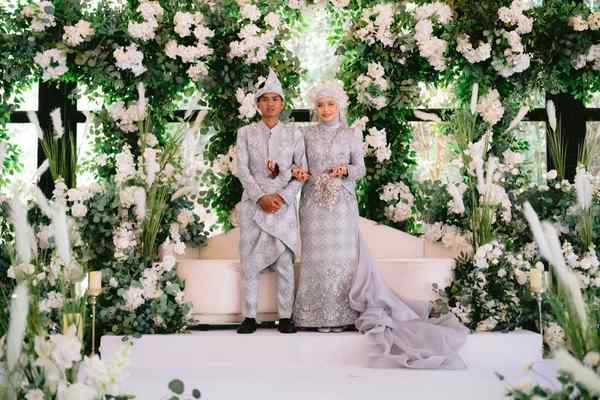
The best wedding backdrop ideas do more than create a pretty setting for the vows. A well-planned backdrop frames photographs, gives guests a visual focal point, and can become part of the reception decor later. Rather than designing a ceremony arch and a separate photo wall, consider one feature that can change roles throughout the day. Flowers, fabric, greenery, and simple structures offer different looks, but the smartest choice suits both your venue and your schedule.
Plan for the Ceremony and Reception Together
Start by deciding where the backdrop will be used. A wedding ceremony backdrop must frame two standing people, while a sweetheart table backdrop should complement the couple when seated. A photo area needs enough clear floor space for guests to stand in front. One design can work in all three places, although you may need to move individual decorations instead of the whole structure.
Study what the venue already provides. A stone wall or garden hedge might need only floral accents; a plain ballroom may benefit from fabric or an architectural frame. Coordinating with your wedding color palette ideas can tie the feature to the rest of the celebration without making every detail identical.
Wedding Ceremony Backdrop Ideas
Asymmetric Floral Arches
Concentrate flowers at one lower corner of an arch, with a smaller cluster higher on the opposite side. Leaving part of the structure visible creates an airy, romantic look. This floral wedding backdrop works particularly well outdoors, where surrounding trees provide extra texture. Ask the florist whether the flower clusters can be detached for reception displays.
Softly Draped Fabric
Lengths of sheer or matte fabric bring movement to a simple frame. Ivory feels classic, while dusty blue, sage, or muted peach introduces subtle color. Arrange the fabric so faces remain visible and avoid placing it near candles. If the wedding is outdoors, secure loose ends and have the installer assess how the setup handles wind.
Botanical Backdrops
Leafy garlands, greenery panels, and groups of potted plants suit garden and woodland weddings. Mix leaf sizes rather than adding too many colors. Potted plants are especially versatile because they can move to a reception entrance or lounge without dismantling a major floral installation. Check that containers will not damage the venue’s flooring.
Modern Geometric Frames
A rectangular frame, paired curved arches, or a clean wooden structure gives the ceremony a defined silhouette. Keep decorations concentrated in one or two places and let negative space do some of the work. Choose a finish that looks appealing from the sides, because guests and photographers rarely see the backdrop only from directly in front.
Reception Backdrop Ideas Worth Reusing
Behind the Sweetheart Table
Position a transferred arch or floral arrangement behind the newlyweds, leaving comfortable space for chairs and service. Side arrangements photograph better than flowers directly behind faces. Add a soft, warm light if the ceremony took place in daylight but dinner happens after sunset. Simple sweetheart table styling can repeat the backdrop’s colors through linens or candles.
A Photo Area for Guests
A greenery screen, fabric installation, or ceremony frame can become a photo destination. Give guests enough room to stand in front of it, including space for group pictures. Avoid busy corridors and service doors. Even lighting is more useful than elaborate props when guests want clear, flattering photographs.
A Cake Table or Lounge Feature
Not every backdrop belongs behind the couple. A narrow frame can add height to the cake display, while draping creates a soft background for lounge seating. Keep fabrics and loose greenery clear of food and walking routes. This is a good alternative when the sweetheart table already has an attractive architectural setting.
How to Make One Backdrop Work Twice
Picture an outdoor ceremony with two freestanding floral arrangements and a lightweight, properly secured frame. After the vows and family portraits, the florist carries the flower arrangements indoors to flank the sweetheart table. The original frame remains outside for guest photos. Both spaces look intentionally decorated, without trying to move an entire installation in a hurry.
The key is choosing movable modules from the beginning. Large floral pieces can be heavy, water-filled, or firmly attached to their supports. Before booking, ask who will relocate the pieces, whether extra labor is included, and when the reception room becomes accessible. Leave the ceremony backdrop in place until essential photographs are finished. Repurposing works best when it is part of the vendor schedule, not a last-minute favor.
Check Scale, Light, and Safety
Measure the available floor space as well as the wall or frame width. Consider the photographer’s view, the farthest guest seats, and the space needed for chairs. Fine floral details may disappear from a distance, so focus on a recognizable overall shape. Your ceremony aisle decor should lead the eye toward the backdrop, not compete with it.
Outdoor installations need appropriate anchoring and may be unsuitable in high winds. Ask the rental company or installer to assess the structure. Indoors, confirm venue rules about hanging fixtures, flames, and emergency exits. Keep cables away from foot traffic, and test lighting at the time of day when the backdrop will be photographed.
How to Control Backdrop Costs
Start with the most visible part of the design. Two carefully placed floral clusters can make a basic frame feel complete; covering the entire structure is rarely essential. Using an existing wall, doorway, or hedge can reduce the amount of additional decor needed. Compare fabric rentals, reusable frames, and seasonal floral options.
Request a quote that separates materials, setup, moving, and breakdown. Reusing flowers can reduce duplication, but labor-intensive transfers may limit the savings. A smaller, modular design often provides better flexibility than a massive installation.
Frequently Asked Questions
What can replace a traditional wedding arch?
Try floral columns, draped curtains, greenery panels, grouped potted plants, or a beautiful doorway. These options define the ceremony space without a full overhead arch.
Can a ceremony backdrop be moved to the reception?
Often, yes. Freestanding frames and separate floral arrangements are generally easier to move than fixed installations. Confirm handling, transport, timing, and venue access with your florist or planner.
How large should a wedding photo backdrop be?
It depends on whether you want portraits of the couple or wider group photos. Measure the area and ask your photographer about framing before choosing dimensions.
Do wedding backdrops need fresh flowers?
No. Fabric, foliage, lighting, and architectural details can look just as considered. A small amount of fresh floral decoration can add softness without covering the entire feature.
A Backdrop That Tells One Story
The strongest wedding backdrop ideas are not necessarily the largest or most expensive. They frame the people, suit the setting, and connect the ceremony with the reception. Choose a design that feels right in both locations, agree on a practical movement plan, and let one beautiful feature play several memorable roles.