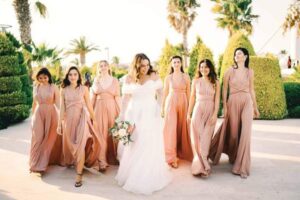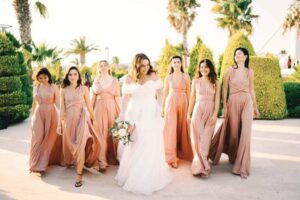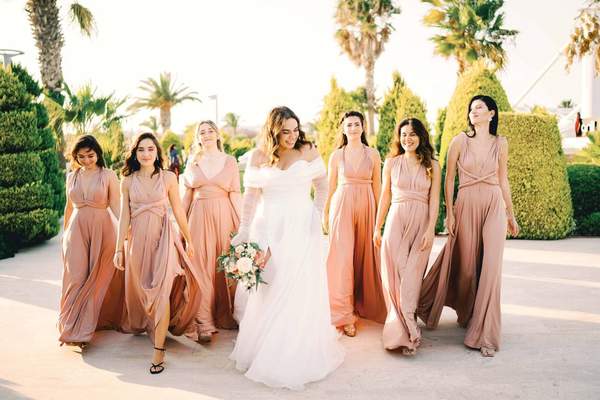
Summer weddings can be beautiful, but the same sunshine that makes outdoor photographs glow can leave a bridal party uncomfortable by the first dance. Choosing summer bridesmaid dresses means thinking beyond the colour palette. The fabric against the skin, the lining, the cut and even the ceremony location all influence whether a dress feels lovely at noon and still wearable after sunset.
The goal is not to make everyone dress casually. It is to find formal pieces that move easily, release heat and work with the day’s schedule. A few smart decisions early on can spare bridesmaids hours of tugging at straps, lifting heavy skirts or worrying about sweat marks.
Start With the Fabric, Not Just the Photograph
When shopping for lightweight bridesmaid dresses, check the fibre label and lining as carefully as the product image. Two gowns described as “chiffon” can feel very different: chiffon names a fabric construction, not a specific fibre. A polyester chiffon gown with a dense synthetic lining may trap more warmth than its airy appearance suggests.
Breathable options worth considering
Linen and linen blends allow airflow and manage moisture well, making them appealing for relaxed garden or coastal weddings. Their trade-off is creasing, which can be part of the look rather than a flaw. Cotton blends can feel soft and cool, although pure cotton may hold onto perspiration in humid conditions.
Viscose and lyocell often offer fluid drape and a pleasant hand-feel, but their performance depends on weave, weight and finishing. Silk can look elegant, yet delicate varieties may show moisture marks and require careful cleaning. Polyester is not automatically unsuitable: an open construction, light lining and comfortable fit can matter enormously. Rather than relying on a single material name, compare the entire garment.
Ask for a fabric swatch before ordering multiple dresses. Hold it against the light to judge opacity, scrunch it gently to see how it wrinkles and feel how quickly warmth builds when it rests against your arm. Breathable bridesmaid fabrics should be evaluated with their linings, not in isolation.
Choose Silhouettes That Let Air Circulate
A flowing A-line skirt, relaxed column dress or gently draped wrap silhouette typically leaves more room for movement than a tightly fitted mermaid shape. Side slits can help with walking, but check that they remain comfortable when sitting and during a breezy outdoor ceremony.
Look at the upper body, too. Adjustable straps, a secure neckline and enough room around the ribs are practical features for a long wedding day. Strapless styles can work, but constant readjustment is distracting. If a wedding requires more coverage, consider light sleeves with room around the arms rather than heavy, close-fitting layers.
Try the dress while sitting, climbing stairs and raising both arms. Summer wedding party outfits need to function through photographs, meals and dancing, not merely look convincing in a fitting-room mirror. For coordinated but individual looks, a guide to mismatched bridesmaid dresses can help balance different silhouettes within one palette.
Pick Colours for the Setting and the Wearer
Sage, dusty blue, lavender, soft terracotta and muted coral all suit summer celebrations, but there is no universal best shade. A pale garden palette feels different from a bright seaside wedding or a formal evening reception. Consider the venue’s backdrop, floral arrangements and the wedding’s level of formality.
Test colours in natural daylight, because indoor lighting and online photographs can distort undertones. Very pale fabrics may become more revealing in strong sunlight, particularly if unlined. Some mid-tone colours also show damp patches more readily than prints, very light shades or deeper hues; test the actual fabric with a small drop of water where appropriate.
If the wedding party has varied skin tones, invite everyone to try shades within a shared colour family. The result often looks more considered than forcing one identical colour on every person. A practical guide to bridesmaid dress colour combinations can make the final selection easier.
Match Dress Length and Footwear to the Ground
Floor-length gowns bring formality, but hems dragging through grass, gravel or sand quickly become a nuisance. Tea-length and midi dresses are often easier for outdoor ceremonies, provided the hem does not land awkwardly against the calf. For long dresses, arrange alterations with the actual wedding shoes.
Block heels, wedges and supportive flats are usually more manageable on lawns than narrow stilettos. Choose shoes with secure straps and test them during a full evening at home. If the bridal party will change shoes for the reception, confirm that the hem remains safe at the lower height.
Hot weather bridesmaid dresses should also accommodate comfortable undergarments. Check seams, lining and bra compatibility before the final fitting rather than discovering problems on the wedding morning. For more options, a guide to bridesmaid shoes for outdoor weddings can help.
Plan Around the Hottest Part of the Day
Picture a July garden wedding with a ceremony at 3 p.m. and group portraits immediately afterward. Even beautiful dresses may feel uncomfortable if the bridal party stands in direct sunlight for an hour. A better plan is to schedule shaded photographs, keep cool water nearby and provide an indoor or covered waiting space before guests arrive.
Ask the couple or coordinator about the walk between ceremony and reception, access to restrooms and whether shade is available. For exposed shoulders and backs, use broad-spectrum, water-resistant SPF 30 or higher sunscreen and reapply as directed, especially after heavy sweating. Let it absorb before dressing to reduce transfer. Lightweight cover-ups or parasols can provide additional relief when appropriate to the setting.
Frequently Asked Questions
What is the best fabric for summer bridesmaid dresses?
There is no single winner for every venue. Linen blends, some cotton blends and lightweight viscose or lyocell fabrics are worth exploring. Check airflow, garment construction and lining; a supposedly lightweight outer layer can still feel warm with a heavy lining.
Can bridesmaids wear black to a summer wedding?
Yes. Black can look polished at an evening or formal event. In direct sun, darker materials may absorb more radiant heat, so prioritise a comfortable cut, lighter construction and access to shade.
Are long dresses too hot for an outdoor ceremony?
Not necessarily. A loose maxi dress with a breathable construction may feel cooler than a shorter but tight, heavily lined outfit. Consider the terrain, humidity and how long everyone will stand outside.
How early should bridesmaids buy their summer dresses?
Start several months ahead, allowing time for stock availability, delivery, exchanges and alterations. Custom orders may require longer. Schedule the final hem fitting after choosing shoes.
Find the Balance Between Style and Comfort
The strongest summer bridesmaid looks are thoughtful rather than complicated. Choose a fabric and lining that feel good, allow room for movement, test colours in daylight and plan for the actual venue. When the bridal party can walk, sit and celebrate comfortably, the dresses will look better in photographs because everyone can enjoy wearing them.