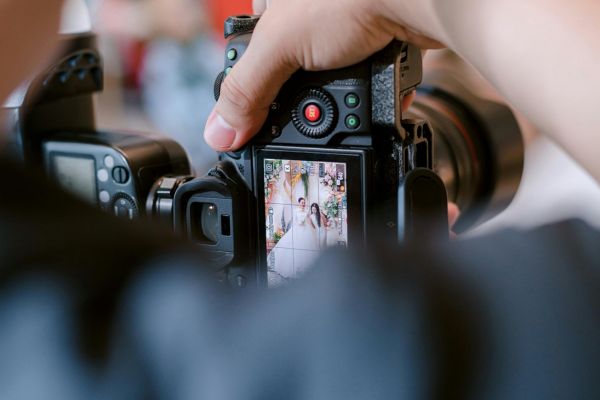
Why Wedding Photography Matters So Much
A wedding day moves quickly. One minute, someone is adjusting a veil in a quiet room, and the next, guests are standing, music is playing, and the couple is walking into a moment they will remember for the rest of their lives. That speed is part of what makes weddings beautiful, but it also makes photography so important. Once the flowers fade and the music stops, the photographs become the clearest way back to the feeling of the day.
Good wedding photography is not only about sharp images or pretty backgrounds. It is about timing, emotion, light, and awareness. The most meaningful photographs often happen in between the obvious moments: a parent’s nervous smile, a friend wiping away tears, a couple laughing when something does not go exactly as planned. These are the images that make a wedding album feel alive.
That is why thoughtful wedding photography tips can help both couples and photographers approach the day with more calm and confidence. A little planning can make the photos feel natural rather than staged, polished rather than stiff, and personal rather than predictable.
Start with the Story of the Day
Before thinking about poses or locations, it helps to think about the story. Every wedding has its own rhythm. Some are elegant and formal, some are relaxed and full of laughter, and some feel deeply emotional from the very beginning. Photography should reflect that natural mood instead of forcing the day into a style that does not fit.
Couples can start by considering what they most want to remember. It may be the ceremony, the family portraits, the décor, the dance floor, or the quiet private moments between events. Photographers can use those priorities to shape how they work throughout the day.
This does not mean creating a rigid shot list for every single image. In fact, too many instructions can make the day feel mechanical. But a clear sense of what matters most helps the photographer stay focused on the moments that carry emotional weight.
Choose the Right Light Whenever Possible
Light is one of the biggest factors in wedding photography. A beautiful location can look flat in harsh midday sun, while a simple doorway or garden corner can look magical in soft evening light. Understanding light makes a huge difference in how natural and flattering the photographs feel.
For outdoor portraits, early morning and late afternoon usually create softer shadows and warmer tones. The hour before sunset is often especially gentle, giving skin a natural glow and backgrounds a romantic softness. Indoor photography depends more on window light, candles, lamps, and the venue’s lighting design.
Couples do not need to understand technical lighting, but they can help by building a little flexibility into the timeline. A few minutes for portraits during better light can make a visible difference. Photographers, meanwhile, should always look for clean, directional light and avoid placing people in awkward patches of brightness and shadow.
Keep the Getting-Ready Space Calm and Tidy
Some of the most intimate wedding photographs happen before the ceremony. These are the images of buttoning dresses, fastening cufflinks, reading letters, applying lipstick, or sharing a quiet laugh with close family. But getting-ready rooms can become crowded and messy very quickly.
A calm space makes better photographs. Natural light near a window, a tidy corner, and fewer distractions in the background can turn simple preparation moments into elegant, emotional images. It does not have to look like a magazine set. It just needs enough breathing room for the people and details to stand out.
Couples can place bags, extra clothes, food containers, and packaging away from the main area where photos will happen. This small effort saves time and keeps the focus on the people, not the clutter around them.
Plan the Timeline with Photography in Mind
One of the most practical wedding photography tips is to create a timeline that gives photographs enough space. Weddings often run late, and when that happens, photography time is usually the first thing to shrink. A rushed portrait session can leave everyone feeling tense.
A good timeline includes time for getting-ready photos, detail shots, first looks if planned, couple portraits, family portraits, ceremony coverage, reception entrances, speeches, cake cutting, and dancing. Even when the schedule is simple, it helps to allow extra minutes between events.
Family portraits especially need structure. Gathering relatives can take longer than expected, particularly when guests begin talking, moving around, or heading to cocktail hour. Having someone who knows the family help organize people can make this part smoother and less stressful.
Let Real Emotion Lead the Photos
The best wedding photos rarely come from perfect posing alone. They come from real reactions. A couple laughing during portraits, grandparents holding hands, bridesmaids reacting to the dress, or a groom taking a deep breath before the ceremony can all become unforgettable images.
Photographers should watch closely instead of only directing. Couples should try not to worry too much about looking perfect every second. Real emotion often photographs better than carefully controlled expressions.
This is also where trust matters. When couples trust the photographer, they relax. When they relax, their faces soften, their body language feels natural, and the photos become more honest. A wedding day is full of genuine feeling, and the camera should be ready for it.
Make Portraits Feel Natural
Wedding portraits do not need to feel stiff. A little direction is useful, especially for people who are not used to being photographed, but the goal should be connection rather than perfection. Simple movements often work better than complicated poses.
Walking together, holding hands, turning toward each other, adjusting a jacket, fixing a veil, or sharing a quiet conversation can create images that feel graceful without looking overly staged. Small prompts can help couples forget the camera for a moment.
The setting also matters. A dramatic staircase or garden path can be beautiful, but the couple should not disappear into the scenery. The location should support the photograph, not overpower it. The most memorable portraits usually balance atmosphere with emotion.
Capture the Details Without Losing the People
Wedding details are part of the visual story. Rings, invitations, flowers, shoes, table settings, heirlooms, and handwritten vows all help show the personality of the day. These images can be beautiful additions to an album, especially when they reflect choices made with care.
Still, details should not take over the coverage. A wedding is not only a collection of objects. It is a gathering of people, relationships, and moments. The best approach is to photograph details in a way that connects them to the day itself.
A bouquet in someone’s hands, a necklace being fastened, a place card beside a glass of champagne, or a ring held during quiet preparation often feels warmer than a purely styled image. Details matter most when they feel connected to memory.
Be Ready for Ceremony Moments
The ceremony is usually one of the most important parts of the wedding day, and it requires careful attention. It moves quickly, and many moments cannot be repeated. The walk down the aisle, the exchange of vows, the rings, the first kiss, and the couple’s exit all need timing and awareness.
Photographers should understand the ceremony rules before it begins. Some venues restrict movement, flash, or camera placement. Knowing this in advance helps avoid awkward interruptions and missed shots.
Couples can also help by slowing down slightly during key moments. A first kiss that lasts half a second can be difficult to capture beautifully. Walking slowly down the aisle gives the photographer more opportunity to photograph expressions clearly. These little adjustments still feel natural but make a big difference.
Do Not Forget the Guests
A wedding album feels incomplete without guests. Friends and family bring the celebration to life, and many of the best candid images happen away from the couple. Guests laughing during speeches, children playing near the dance floor, parents greeting old friends, and groups gathered around tables all add depth to the story.
Photographing guests also helps couples see parts of the day they missed. No couple can be everywhere at once. While they are taking portraits, greeting relatives, or preparing for the next event, other moments are unfolding around them.
Candid guest photography should feel respectful and unobtrusive. The goal is not to catch people looking awkward, but to preserve the warmth, movement, and personality of the gathering.
Work with the Venue, Not Against It
Every venue has strengths and challenges. Some have grand architecture, wide gardens, and dramatic entrances. Others are smaller, darker, or more casual. Good wedding photography works with the space instead of trying to pretend it is something else.
A photographer should arrive with fresh eyes and look for useful corners, reflections, textures, windows, pathways, and backgrounds. Sometimes the best photo spot is not the most obvious one. A quiet hallway with soft light may photograph better than the busiest part of the venue.
Couples can also visit the venue before the wedding and think about where they might like portraits. Still, it is important to stay flexible. Weather, light, timing, and guest movement can change the plan, and the best images often come from adapting in the moment.
Keep the Couple Comfortable
Comfort shows in photographs. If a couple feels rushed, awkward, hungry, or overwhelmed, it can appear in their faces and posture. A relaxed couple will almost always photograph better than a perfectly posed but tense one.
Photographers can help by giving calm direction, speaking clearly, and not overloading the couple with constant instructions. Couples can help themselves by wearing comfortable shoes when possible, planning small breaks, staying hydrated, and giving themselves permission to enjoy the day instead of managing every detail.
Some of the most beautiful portraits happen when the couple gets a few quiet minutes away from the crowd. It gives them space to breathe and lets the photographs feel more intimate.
Think Beyond the Perfect Shot
The idea of “perfect shots every time” sounds appealing, but wedding photography is not really about perfection. It is about presence. A slightly windblown veil, a tearful smile, a child running through the frame, or a burst of laughter during a formal portrait can make an image more meaningful, not less.
Weddings are live events. Things happen quickly, weather changes, people move, and emotions come without warning. The best photography embraces that reality rather than fighting it.
A perfect wedding photo is not always the most polished one. Often, it is the one that brings back the sound of the room, the feeling in the air, or the emotion of a moment that passed too fast.
Conclusion
Wedding photography is a blend of preparation and instinct. Planning helps create space for the important images, but the real beauty often appears in unscripted moments. The strongest wedding photography tips are not only about cameras, poses, or timelines. They are about noticing what matters, using light well, staying calm, and allowing the day to unfold naturally.
When photography is approached with care, the images become more than a record of how everything looked. They become a way to remember how the day felt. Years later, those photographs can bring back the nervous excitement, the laughter, the quiet glances, and the joy that made the wedding truly personal.