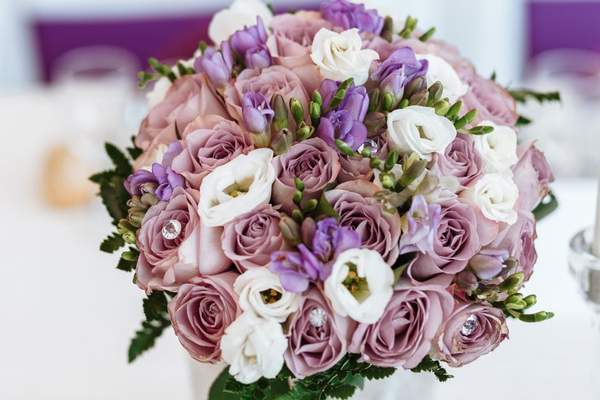
Beautiful wedding flowers can make a room feel completely different, but a gorgeous portfolio does not tell you who unloads the centerpieces, what happens when peonies are unavailable, or who collects the rented vases afterward. Those details matter just as much as the colors. The best questions to ask a wedding florist uncover both the creative vision and the practical plan before you pay a deposit.
Start With Fit, Availability, and Style
Are you available, and who will design our flowers?
Confirm the florist can take your date and ask whether the person leading your consultation will also oversee the designs. Some studios have several designers or use additional event teams. Ask how many weddings they expect to manage that weekend and who will be your main contact as plans change.
Have you created a wedding with a similar look or venue?
Request examples of complete weddings, not only close-up bouquet photographs. Wide shots reveal how arrangements look across an actual room. A florist who knows your venue may already understand its loading access, installation restrictions, and lighting, but relevant experience elsewhere can be equally valuable.
Ask Exactly What Happens if Flowers Change
Which blooms are realistic for our date and budget?
Seasonal availability varies by region, weather, grower, and supply chain. Ask which flowers are dependable choices and which are special requests. If you love a particular variety, explain whether its precise appearance matters or whether you would accept a similar shape and color. A thoughtful florist should help you prioritize the overall effect.
Who approves flower substitutions?
A substitution clause is not automatically a warning sign: flowers are perishable products, and supply can change. The important question is how decisions are made. Ask whether replacements will be comparable in quality, value, color, and style, whether there could be a price adjustment, and when you will be consulted.
For example, if pale pink garden roses are central to your bouquet, ask the florist to identify an acceptable backup flower in advance. Agree on which substitutions require your approval and put that distinction in the proposal rather than relying on a verbal promise.
Understand the Quote Before Comparing Prices
What is included in each arrangement and service fee?
Request an itemized proposal showing quantities, approximate sizes, personal flowers, ceremony pieces, reception arrangements, labor, transportation, taxes where applicable, and any rental charges. Two florists may quote very different totals because one includes installation and collection while the other prices flowers for delivery only.
Ask if there is a minimum spend, whether consultations or mock-ups cost extra, and how the quote changes when you add tables. A wedding flower budget guide can help you decide which elements deserve the largest share of your budget before you ask for revisions.
Clarify Floral Rentals and Ownership
Which vessels and structures are rented?
Ask whether vases, arches, pedestals, stands, candles, and containers are included, rented separately, or yours to keep. For floral rentals, confirm who returns each item, the return deadline, cleaning expectations, deposits, and charges for damage or missing pieces. Also ask whether guests may take flowers home without taking the rented containers.
Plan Flower Delivery, Setup, and Teardown
Who delivers and installs everything, and when?
Get a specific flower delivery setup plan rather than a vague promise to arrive on the wedding morning. Ask when bouquets reach the getting-ready location, when venue installation begins, how long larger structures take, and when all arrangements will be photo-ready. Clarify whether delivery-only means your own team must place items.
Share the venue’s access hours, parking arrangements, loading instructions, and restrictions on attaching decorations. If an arch needs substantial assembly, check that the venue permits the work and that enough time is reserved. A wedding venue checklist is useful for keeping these operational details together.
Can ceremony flowers move to the reception?
Repurposing arrangements can be practical, but it is not always free or feasible. Ask which pieces can travel safely, who will move them, whether the venues are close enough, and how long the transition takes. A large ceremony installation may not be designed for quick relocation, especially in heat or wind.
Who handles the end-of-night breakdown?
Confirm who removes arrangements, collects floral rentals, and clears debris, and whether late-night labor or next-day pickup is included. Check the venue’s deadline for clearing spaces. Otherwise, someone in your wedding party may unexpectedly inherit a van full of vases.
Check Staffing and the Florist Backup Plan
Who will be on site if something goes wrong?
Ask how many staff will install the flowers, who supervises them, and how to reach that person on the day. Find out whether the florist or a designated team member will stay through the ceremony, especially if pieces need refreshing or moving.
What is your backup plan for illness, delays, or bad weather?
A useful florist backup plan addresses more than flower availability. Ask about backup personnel, delayed shipments, vehicle problems, outdoor installations in wind or rain, and what happens if the florist cannot fulfill the booking. No vendor can guarantee that nothing will go wrong, but they should explain realistic contingencies and any limits of their responsibility.
Read the Agreement Before Paying
What are the payment and change deadlines?
Check the booking retainer, balance due date, accepted payment methods, and what is refundable. Ask when final table counts and designs become fixed, how additions or reductions are priced, and what happens after flower orders have been placed. Cancellation and postponement terms deserve separate attention; do not assume a retainer transfers to a new date.
Compare the contract against your itemized proposal. It should identify the services, quantities, delivery locations, setup and collection responsibilities, rental terms, substitution policy, and the process for resolving changes. A wedding vendor contract checklist can make this final review easier.
Frequently Asked Questions
How early should I contact a wedding florist?
Start once your date, venue, and rough budget are set. Popular dates and specialized designers can book far ahead, so inquire earlier for a large or complicated installation. Smaller, flexible orders may need less lead time.
Should I bring inspiration pictures to the consultation?
Yes. Bring a few images that show colors, shape, scale, and mood, and explain what you like about each. Ask what the florist would adapt for your venue and budget rather than expecting an exact copy.
Is a florist required to use the exact flowers listed?
That depends on the contract. Flower availability can change, and many agreements permit substitutions. Ask for clear limits on replacements and advance approval for blooms that are particularly important to you.
Do wedding florists automatically provide setup and cleanup?
No. Some offer delivery-only services, while others handle installation, moving arrangements, and teardown. Request a written list of responsibilities and charges so there is no uncertainty on the day.
Choose the Florist With the Clearest Plan
Good floral design should be backed by good communication. Notice whether the florist explains trade-offs, welcomes detailed questions, and follows up with a proposal that matches the conversation. Before hiring, make sure you know what will arrive, who will place it, how substitutions are handled, and who takes everything away. That clarity gives the flowers their best chance to look effortless.